
Guides / Hedges
When to trim hedges in Christchurch (and when to leave them)
Published 2 February 2026 · 5 minute read
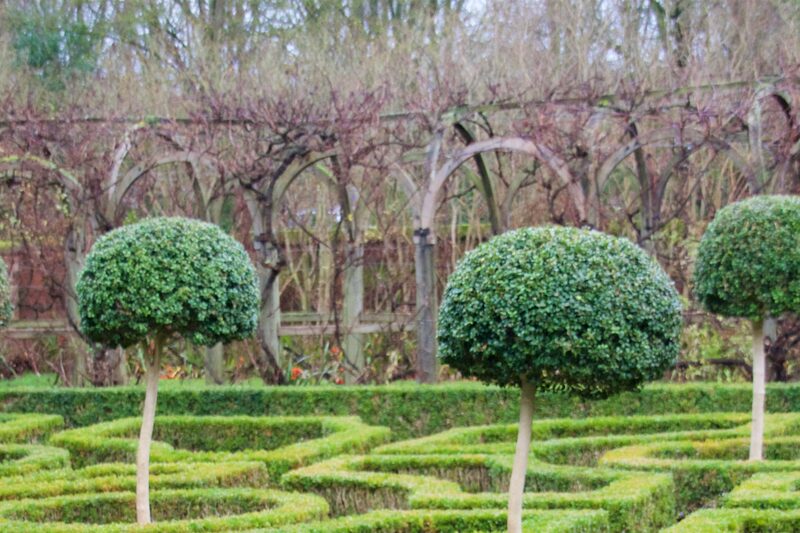
Trim at the wrong time and the hedge sulks all winter; trim at the right time and it rewards you with dense growth exactly where you cut. Timing matters more than technique for most Canterbury hedges, because our sharp frosts punish soft late growth that would get away with it in milder climates. Here is how to think about it.
The general rule: shape after the flush
Most evergreen hedging — griselinia, pittosporum, laurel, photinia, escallonia — puts on its strong spring flush from about October, then again lightly in late summer. The ideal moment for shaping is just after each flush hardens: late spring to early summer for the main cut, with a lighter tidy in late summer or early autumn.
Why after, not during? Cutting soft new growth tears rather than slices, leaving ragged tips that brown off. Waiting until the new shoots firm up gives clean cuts that heal fast. Our hedge trimming rounds are scheduled around exactly these windows.
What to avoid before winter
The single costliest mistake is a hard cut in late autumn. Fresh growth triggered by an April trim has no time to harden before the first hard frosts, and frost-nipped tips go brown across the whole face of the hedge. From about mid-April onward in Christchurch, restrict yourself to light tidies — and leave the last proper shape of the year early enough that regrowth toughens up, typically no later than March for frost-tender species like photinia.
The same logic applies to feeding: nitrogen late in the season pushes soft growth into the cold. Feed hedges in spring, not autumn.
Species notes for common Canterbury hedges
Griselinia and pittosporum are forgiving and take two solid shapings a year. Laurel recovers from surprisingly hard renovation but resents being nibbled little and often — cut it decisively, once or twice. Native options like koromiko and flax need a lighter hand: remove spent material and shape gently rather than shearing, because many natives do not re-shoot from old wood the way exotics do.
Flowering hedges — escallonia, ceanothus, camellia — should be trimmed just after flowering finishes, never before, or you remove the display you planted them for. If you are unsure what a hedge is, that is a good reason to have it maintained by someone who can identify it rather than guessing with the trimmer.
Renovation: the exception to timing rules
A leggy, gappy hedge sometimes needs cutting back hard into old wood. This is best done in late winter to early spring, just before growth resumes, so the plant throws new shoots immediately rather than sitting wounded through winter. Not every species tolerates it — conifers generally do not — so check before you commit, or ask us to assess it first.
How much can you take off in one go?
As a working rule, never remove more than about a third of the live growth in a single cut if you want the hedge to recover cleanly. Harder renovation cuts are possible on vigorous evergreens like pittosporum and photinia, but they should be planned as a multi-stage job rather than a single weekend blitz. Take too much at once and the hedge thins permanently, opens to light, and becomes a weed magnet along the base.
Width matters as much as height. A hedge that is wider at the base than the top — the classic "broad bottom, narrow top" profile — is usually the result of repeated light trims that never reach the lower branches. The lower growth is starved of light, thins out, and never recovers unless you cut back decisively into it. The correct profile is the opposite: a slight batter (inward slope) from base to top so sunlight reaches the lower shoots. Getting that profile back is one of the most satisfying jobs we do, and one of the most common reasons people call for hedge trimming.
Equipment and finish
Sharp blades matter more than brand. Blunt shears and trimmers tear the leaf rather than slicing it, and torn tips brown off within days — the hedge looks tired long before it actually is. For tall hedges, stable platforms and the right reach beat ladders every time; a hedge cut from a shaky ladder is a hedge cut in a hurry, and hurried cuts show.
Every job should finish the same way: clippings raked, swept off paths and lawns, and taken away. There is no point shaping a hedge beautifully and leaving the evidence in a heap at the base, where it smothers the lower growth and breeds slugs. Regular clients get the same height and width year on year, because a hedge that is never allowed to get away is quicker to cut, cheaper to maintain, and denser as a result.
The short version
Main shape in late spring, light tidy in late summer, hands off from mid-autumn, feed in spring, never take more than a third at once, and always cut to a batter so the base stays dense. Follow that and your hedges stay dense, level and green — or hand the whole question to our hedge trimming service on 027 306 0301, Monday to Saturday 9am–5pm.
Hedges getting away on you?
Level tops, plumb sides, clippings taken away — timed for the plant, not just the diary.
Call 027 306 0301